Conjunctivitis (Pink Eye) Diagnosis & Treatment in Aiea
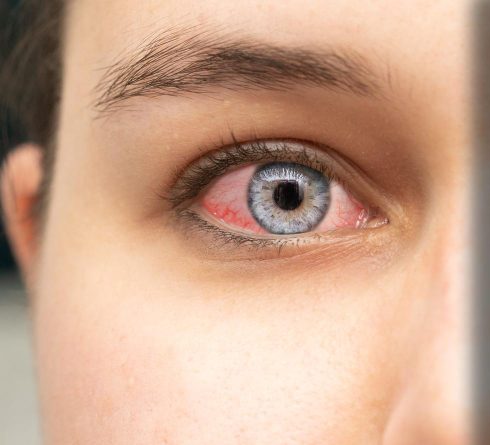
Conjunctivitis, commonly known as pink eye, is one of the most frequent causes of red, irritated eyes. Whether caused by viral infection, bacteria, or allergies, Dr. Luis C. Omphroy at Omphroy Eye Care provides prompt diagnosis and effective treatment to relieve your symptoms and prevent spread to others.
Request an AppointmentWhat Is Conjunctivitis?
Conjunctivitis is inflammation of the conjunctiva—the clear membrane covering the white part of your eye and lining your eyelids. This inflammation causes the characteristic pink or red appearance associated with the condition, along with various other symptoms depending on the underlying cause.
Types of Conjunctivitis
Viral Conjunctivitis
The most common type, often accompanying a cold or upper respiratory infection. Viral conjunctivitis is highly contagious and typically causes watery discharge, redness, and irritation. It usually resolves on its own within 1-2 weeks.
Bacterial Conjunctivitis
Caused by bacterial infection, typically producing thick, yellow-green discharge that may cause eyelids to stick together, especially upon waking. Bacterial conjunctivitis is contagious and responds well to antibiotic treatment.
Allergic Conjunctivitis
Triggered by allergens like pollen, pet dander, or dust. Allergic conjunctivitis is not contagious and typically causes intense itching, watery discharge, and redness in both eyes simultaneously.
Irritant Conjunctivitis
Results from exposure to irritants like smoke, chlorine, or chemicals. Symptoms typically resolve once the irritant is removed.
Symptoms of Conjunctivitis
- Redness in one or both eyes
- Itching or burning sensation
- Watery or thick discharge
- Crusting of eyelids, especially upon waking
- Sensitivity to light
- Feeling of grittiness
- Swollen eyelids
Diagnosing Conjunctivitis
Dr. Omphroy diagnoses conjunctivitis through careful examination and evaluation of your symptoms, discharge characteristics, and any associated illness. This helps determine whether your conjunctivitis is viral, bacterial, allergic, or irritant-related, guiding appropriate treatment.
Treatment Options for Conjunctivitis
Viral Conjunctivitis: Treatment focuses on symptom relief with cool compresses and artificial tears while the infection resolves naturally. Antiviral medication may be prescribed in certain cases.
Bacterial Conjunctivitis: Antibiotic eye drops or ointment effectively treat bacterial conjunctivitis, typically providing improvement within a few days.
Allergic Conjunctivitis: Antihistamine eye drops, avoiding known allergens, and sometimes oral antihistamines help control symptoms.
Irritant Conjunctivitis: Removing the irritant and flushing the eye with clean water or saline typically resolves symptoms.
Preventing the Spread of Conjunctivitis
Viral and bacterial conjunctivitis are contagious. To prevent spreading infection: wash your hands frequently, avoid touching or rubbing your eyes, don’t share towels or pillowcases, replace eye makeup if infected, and avoid close contact with others until symptoms improve.
Schedule Your Conjunctivitis Evaluation
If you’re experiencing symptoms of pink eye, call Omphroy Eye Care at (808) 487-7700 for a same-day appointment. Prompt diagnosis ensures you receive appropriate treatment and helps prevent spreading infection to others.
Conjunctivitis FAQs
How long is conjunctivitis contagious?
Viral conjunctivitis is typically contagious for as long as symptoms persist, often 1-2 weeks. Bacterial conjunctivitis is generally considered contagious until 24 hours after starting antibiotic treatment.
Can I go to work or school with pink eye?
Many schools and workplaces have policies requiring you to stay home while contagious. Check with your school or employer, and consult Dr. Omphroy about when it’s safe to return based on your specific type of conjunctivitis.
Should I stop wearing contacts if I have conjunctivitis?
Yes, you should stop wearing contact lenses until your conjunctivitis has fully resolved and Dr. Omphroy confirms it’s safe to resume. Continuing to wear contacts can worsen infection or delay healing.
Will pink eye go away on its own?
Viral conjunctivitis often resolves on its own within 1-2 weeks. However, bacterial conjunctivitis typically requires antibiotic treatment, and allergic conjunctivitis benefits from targeted treatment to control symptoms.
Can pink eye cause permanent vision damage?
Most cases of conjunctivitis resolve without lasting effects. However, certain severe or untreated infections can potentially cause complications, which is why proper diagnosis and treatment are important.