Blepharitis Diagnosis & Treatment in Aiea
Blepharitis is a common, often chronic condition causing inflammation of the eyelids. If you experience red, itchy, crusty eyelids or a persistent gritty feeling in your eyes, blepharitis may be to blame. Dr. Luis C. Omphroy at Omphroy Eye Care provides thorough diagnosis and effective management strategies to relieve your symptoms.
Request an AppointmentWhat Is Blepharitis?
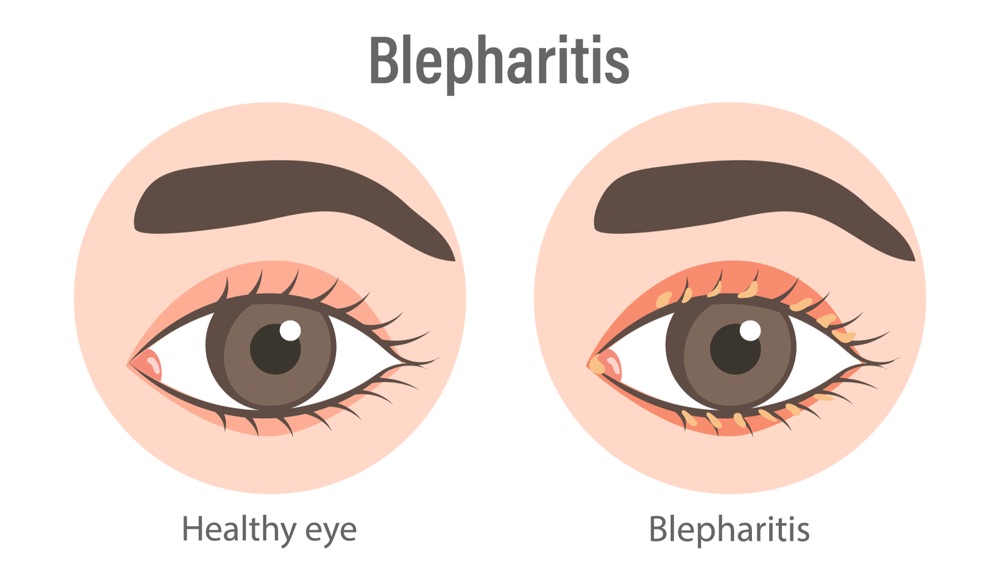
Blepharitis is inflammation of the eyelids, typically occurring where the eyelashes grow. It often develops due to clogged oil glands at the base of the eyelashes (meibomian glands), bacterial overgrowth, or skin conditions like rosacea or seborrheic dermatitis. Blepharitis is often chronic, requiring ongoing management rather than a one-time cure.
Symptoms of Blepharitis
- Red, swollen eyelids
- Itchy or burning sensation in the eyes
- Crusty debris at the base of eyelashes, especially upon waking
- Gritty or foreign body sensation
- Excessive tearing
- Sensitivity to light
- Eyelashes that stick together or fall out
- Associated dry eye symptoms
Types of Blepharitis
Anterior Blepharitis: Affects the outer front edge of the eyelid where eyelashes attach, often related to bacteria or dandruff-like flaking of the scalp and eyebrows.
Posterior Blepharitis: Affects the inner eyelid edge that contacts the eye, typically related to meibomian gland dysfunction, where the oil-producing glands become clogged or inflamed.
Diagnosing Blepharitis
Dr. Omphroy diagnoses blepharitis through careful examination of your eyelids and eyelashes during a comprehensive eye exam. He’ll assess the pattern and severity of inflammation to determine the most effective treatment approach for your specific case.
Blepharitis Treatment Options
Warm Compresses: Applying warm compresses to your closed eyelids helps loosen crusty debris and improve oil gland function.
Eyelid Hygiene: Gentle cleaning of the eyelid margins with specialized eyelid cleansers or diluted baby shampoo removes debris and reduces bacterial buildup.
Antibiotic Treatment: For bacterial blepharitis, Dr. Omphroy may prescribe antibiotic ointments or drops to reduce bacterial overgrowth.
Anti-Inflammatory Medications: In more severe cases, prescription anti-inflammatory drops or ointments may help control symptoms.
Managing Underlying Conditions: If blepharitis is related to rosacea or seborrheic dermatitis, treating these underlying skin conditions can improve eyelid symptoms.
Living with Chronic Blepharitis
Since blepharitis is often a chronic condition, consistent eyelid hygiene as part of your daily routine is key to managing symptoms long-term. Most patients achieve good symptom control with regular maintenance, even if the condition isn’t completely “cured.”
Schedule Your Blepharitis Evaluation
If you’re experiencing persistent eyelid irritation, redness, or crusty buildup, call Omphroy Eye Care at (808) 487-7700 to schedule your evaluation. Dr. Omphroy can help you find effective, lasting relief from blepharitis symptoms.
Blepharitis FAQs
Is blepharitis contagious?
Blepharitis itself is generally not contagious, though the underlying bacteria involved in some cases could theoretically spread through direct contact. Good hygiene practices help minimize any risk.
Can blepharitis be permanently cured?
Blepharitis is often a chronic condition that’s managed rather than completely cured. However, consistent eyelid hygiene and appropriate treatment can effectively control symptoms long-term.
Does blepharitis affect vision?
Blepharitis itself doesn’t typically cause permanent vision loss, but the associated dry eye and irritation can cause temporary blurry vision and significant discomfort.
Can I wear makeup if I have blepharitis?
It’s best to avoid eye makeup during active blepharitis flares, and always remove makeup thoroughly at the end of the day. Dr. Omphroy can advise on appropriate makeup use once your symptoms are controlled.
How often should I do eyelid hygiene routines?
Most patients benefit from daily eyelid hygiene, though frequency may vary based on symptom severity. Dr. Omphroy will recommend a specific routine tailored to your condition.