Corneal Abrasion Diagnosis & Treatment in Aiea
A corneal abrasion—a scratch on the clear front surface of your eye—can cause significant pain and discomfort. Whether from a foreign object, contact lens injury, or accidental trauma, prompt evaluation and treatment are essential to prevent complications. Dr. Luis C. Omphroy at Omphroy Eye Care provides urgent evaluation and effective treatment for corneal abrasions.
Request an AppointmentWhat Is a Corneal Abrasion?
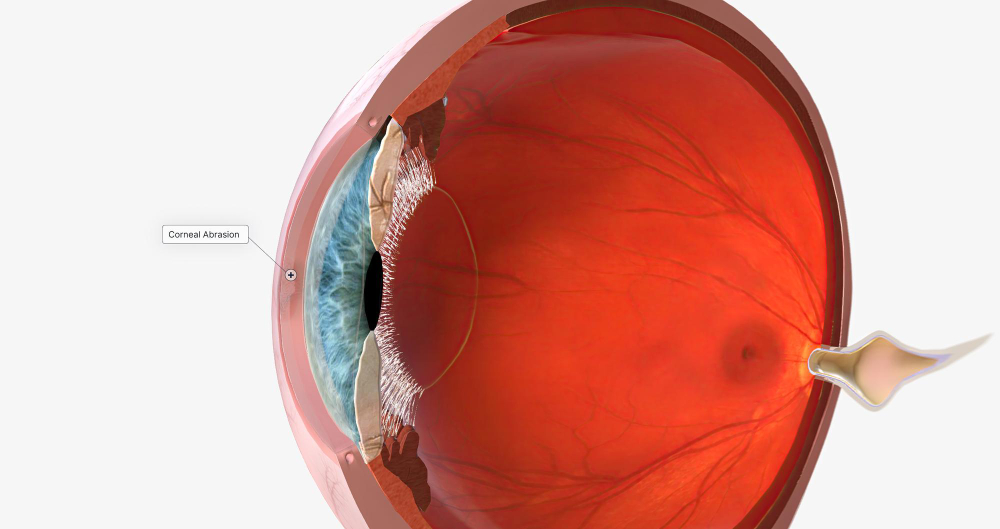
A corneal abrasion is a scratch or scrape on the cornea—the clear, dome-shaped surface covering the front of your eye. The cornea contains many nerve endings, making even minor scratches quite painful. Corneal abrasions can range from superficial scratches that heal quickly to deeper injuries requiring closer monitoring.
Common Causes of Corneal Abrasions
- Foreign objects like dust, sand, or metal particles
- Fingernail scratches
- Contact lens complications, especially improper insertion or removal
- Tree branches or other objects during outdoor activities
- Makeup applicators or brushes
- Chemical exposure
- Sports-related injuries
Symptoms of Corneal Abrasion
- Significant eye pain, often described as sharp or gritty
- Feeling like something is in your eye
- Excessive tearing
- Redness
- Sensitivity to light
- Blurred vision
- Difficulty keeping the eye open
Why Prompt Treatment Matters
While many corneal abrasions heal within 1-3 days with proper care, prompt evaluation is important to rule out complications and ensure appropriate treatment. Untreated or improperly managed corneal abrasions can potentially lead to infection or, in rare cases, corneal scarring that affects vision.
Diagnosing Corneal Abrasions
Dr. Omphroy diagnoses corneal abrasions using specialized dye (fluorescein) and a blue light during slit lamp examination, which highlights the scratched area, allowing accurate assessment of the abrasion’s size, depth, and location. He’ll also check for any retained foreign material that may need removal.
Treatment for Corneal Abrasions
Foreign Body Removal: If a foreign object caused your abrasion, Dr. Omphroy will carefully remove any remaining material to prevent further irritation or infection.
Antibiotic Eye Drops or Ointment: These help prevent infection while your cornea heals, particularly important given the cornea’s vulnerability to bacterial invasion when its protective surface is compromised.
Pain Management: Dr. Omphroy may recommend appropriate pain relief measures to keep you comfortable during healing.
Follow-Up Care: Depending on the severity of your abrasion, Dr. Omphroy may schedule follow-up visits to ensure proper healing and rule out complications.
What NOT to Do with a Corneal Abrasion
Avoid rubbing your eye, attempting to remove foreign objects yourself with anything other than clean water or saline, wearing contact lenses until fully healed, and using old or leftover eye drops not prescribed for your current condition.
Schedule Your Corneal Abrasion Evaluation
If you’re experiencing eye pain following an injury or foreign object exposure, call Omphroy Eye Care at (808) 487-7700 for prompt evaluation. Same-day appointments are available for urgent eye injuries.
Corneal Abrasion FAQs
How long does a corneal abrasion take to heal?
Most minor corneal abrasions heal within 1-3 days. Larger or deeper abrasions may take longer and require closer monitoring by Dr. Omphroy.
Can a corneal abrasion cause permanent vision damage?
Most corneal abrasions heal completely without lasting effects when properly treated. However, deep abrasions or those that become infected can potentially cause scarring that affects vision, which is why prompt treatment is important.
Should I patch my eye if I have a corneal abrasion?
Current medical guidance generally does not recommend patching for most corneal abrasions, as it can actually slow healing in some cases. Follow Dr. Omphroy’s specific recommendations for your situation.
Can I still see with a corneal abrasion?
Yes, though your vision may be somewhat blurry due to pain, tearing, and light sensitivity. Vision typically improves as the abrasion heals.
When should I seek emergency care instead of a regular appointment?
Seek immediate emergency care for chemical exposure, penetrating eye injuries, or if you experience sudden severe vision loss. For typical corneal abrasions from minor trauma, our same-day appointments provide appropriate prompt care.